

Sustainability.
Our commitment to environmental responsibility, inclusion, and corporate governance is at the forefront of everything we do.
We strive to minimise our environmental footprint, support and respect First Nations communities, uphold human rights, ensure workplace safety and health, foster diversity and inclusion and contribute positively to the planet.

Our approach.
By adopting and promoting sound environmental, social and governance (ESG) practices, we aim to be the company of choice and to create value for workers, shareholders, business partners, customers, suppliers and the communities in which we operate.
We do this by:
- Managing day-to-day operations in a way that seeks to prevent or otherwise minimise any harmful impact on the environment.
- Proactively working to lower greenhouse gas emissions where possible, improve fleet and operational efficiency, support technology trials and embed sustainable practices throughout our operations and supply chains.
- Complying with all applicable environmental legislation, regulation and licensing conditions.
- Continually assessing environment, social and community impact risks and opportunities through implementing and maintaining processes and procedures that are based on risk management principles and conform with or exceed relevant standards.
- Communicating proactively, promptly and transparently with all stakeholders, the community, media and government on environmental issues.
- Developing and implementing initiatives to build and foster Qube’s reputation as a responsible corporate citizen.
- Respecting the communities in and through which we operate, including their values and cultural heritage, and taking them into account when carrying out our operations.
Safety and Health.
Safety underpins everything we do at Qube.

Our commitment to each other.
We’re proud of our strong safety culture at Qube. We believe that no matter our role or the work that we do, it’s up to all of us to Be Safe, all of the time.
That means being fit and ready for the job. It means we’re willing to speak up, including to call out hazards or to seek help when needed. And it means being there for each other and treating all with respect.
We demonstrate commitment to ensuring the safety and health of everyone connected to our operations by:
- Emphasising leadership and accountability to build a positive safety culture.
- Striving for continuous improvement by establishing measurable health and safety performance targets and monitoring and measuring performance through effective assurance programs.
- Providing processes, systems and resources which enable communication, sharing of knowledge and ideas and effective consultation regarding workplace health and safety issues.
- Ensuring relevant legislative and regulatory compliance is achieved.
- Developing and disseminating appropriate safety-related information, instruction and training to all Qube personnel to explain and demonstrate how to conduct their work in a safe manner.
- Preventing injuries, incidents and impacts through the implementation of the Qube Safety, Health and Sustainability Management System (SHSMS) based on risk management principles (hazard identification, risk assessment, control and review).
- Ensuring all incidents (actual or potential) are reported and investigated to prevent recurrence and sharing information on lessons learned.
- Implementing an effective injury management program for employees which aims to reduce the personal and financial cost of work-related injuries.
- Continual improvement through adopting and implementing new technologies or practices to enhance safe systems of work.
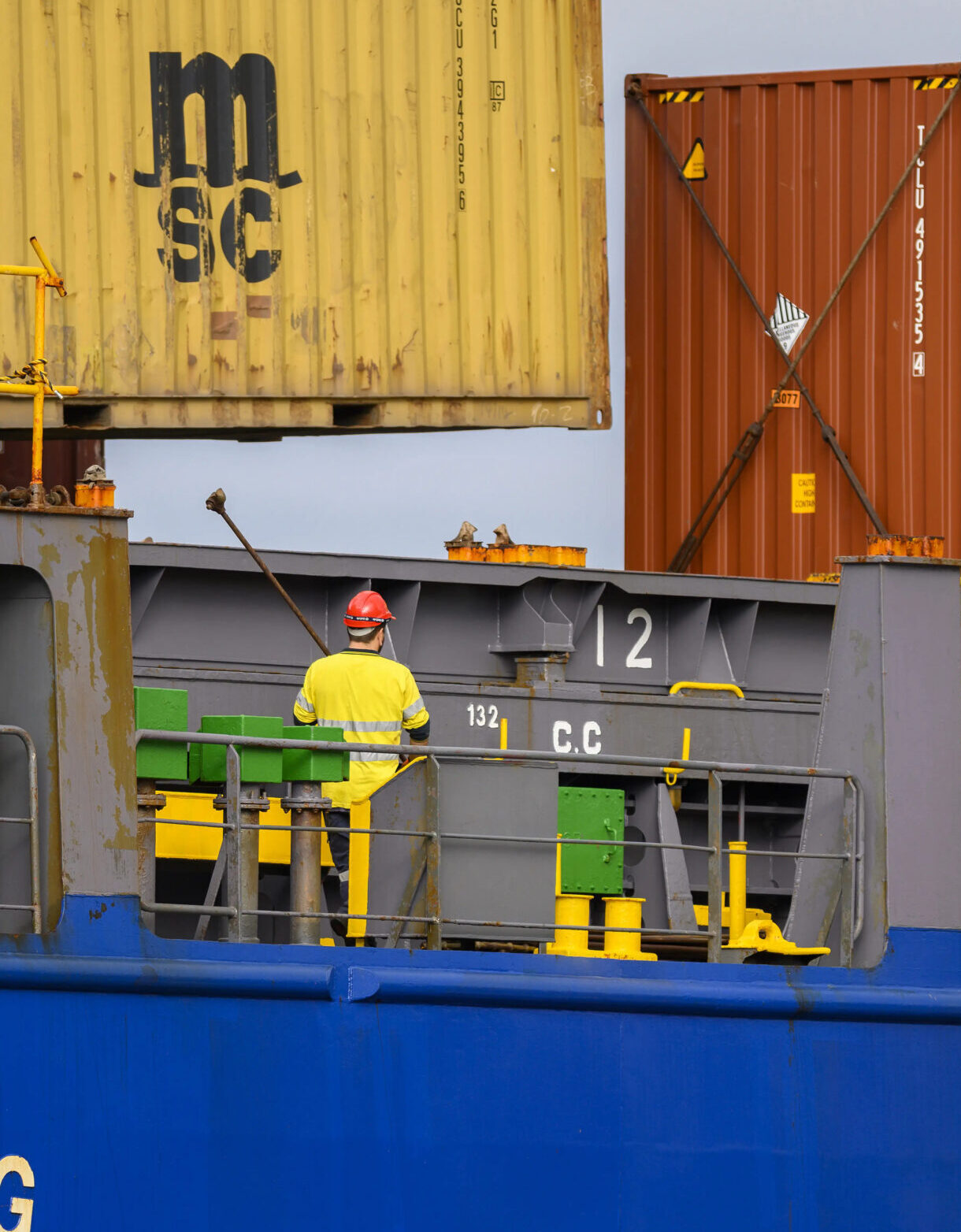
Proactively managing psychosocial risks and hazards.
We believe that every person at Qube has the right to work in a safe environment, both physical and psychological.
Our approach to the safety and wellbeing of our people begins with our Values and our Be Safe program, both of which inform how we go about our work.
A commitment to psychologically safe workplaces is a shared responsibility, as we all contribute through positive safety behaviours and showing care for ourselves and others. This approach is central to enabling psychosocially safe workplaces, free from physical and psychosocial hazards.
All workers have a responsibility for workplace health and safety, specifically ensuring reasonable care for the health and safety of themselves and others. This obligation includes the protection of psychological wellbeing where there is a work-related risk to their own health and safety, or that of others.
People.
We believe we all deserve to be our best. Whoever we are, wherever we’re from or whatever we believe in, we all matter. A diverse team is a better team.
We also believe in nurturing a workplace where our wellbeing and mental health is as important as our physical safety. A workplace where all of us can achieve our full potential. Good wellbeing supports who we are, as individuals, and as a team. Good wellbeing sets us up for success.
We are determined to attract the industry’s best talent and to provide career pathways and development opportunities for our people.
We are always looking for ways to strengthen our employee value proposition, to attract and retain the best talent and to actively address diversity and inclusion in our workplaces.

Employee experience and culture.
Our wellbeing program, Thrive, focuses on our three core values of Integrity, Reliability and Inclusion and our priority focus areas of Safety, Wellbeing, Planet, Opportunity and Performance.
We established a Culture Reference Group (CRG), comprised of representatives from across the Group at different levels and with a mix of operational, administrative and corporate support roles.
The CRG works to embed our Thrive program across the business and help generate employee engagement and enthusiasm.
The CRG helps bring real-life stories of what these values look like in action at Qube, helping to ensure our communication materials are authentic and resonate with the target audience.
The CRG will also provide feedback on what’s working, and what’s not working and suggestions on what we could do better.
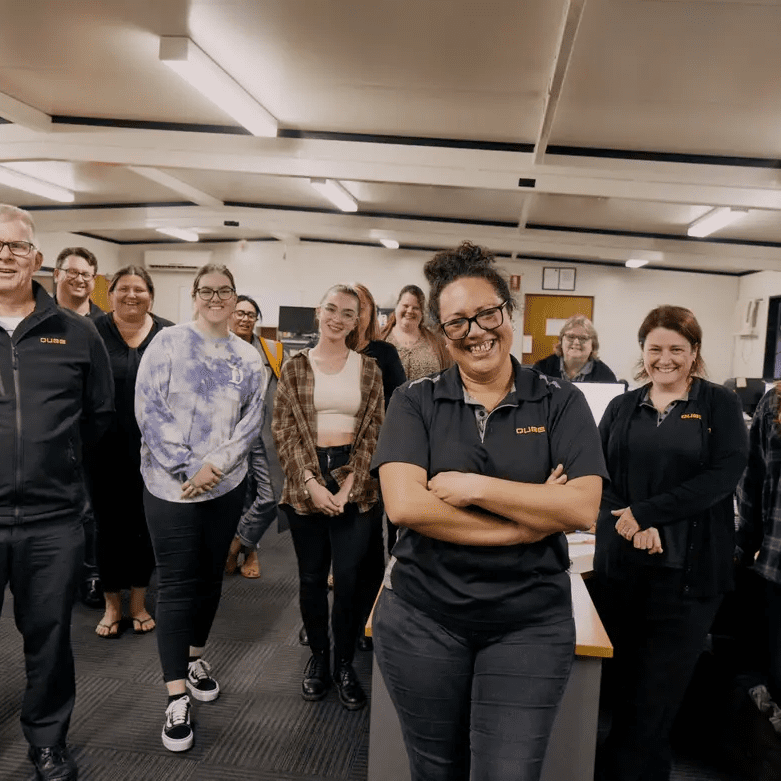
The Thrive Awards (AKA “The Qubies”)
As we seek to bring our values to life and celebrate these behaviours in action, in 2023 we launched our inaugural Qube Thrive Awards – “The Qubies”.
The Qubies are open to people from all roles, all sites and all levels in our business recognising, celebrating and rewarding the teammates who live and breathe our values.
The awards presented to our people include:
- The Qube Culture (Know Your Whānau) Award
- The Thrive Award: Integrity
- The Thrive Award: Reliability
- The Thrive Award: Inclusion
- The Be Safe Award
- The Innovation Award
- The John Allen ‘JA’ Award
The Qubies are held annually and are open to everyone across the entire Qube network across Australasia.

Qube Cadet program.
The two‑year Program enables Cadets to build the knowledge and skills needed for their role while gaining invaluable exposure across Qube and real‑world industry experience.
Throughout the Program, Cadets may rotate through different areas of the business or remain in one area to develop specialist skills, before choosing the career path that is right for them, dependent on their strengths, our operational needs and role availability within Qube.
We are now exploring opportunities to expand the cadetship program across the business.
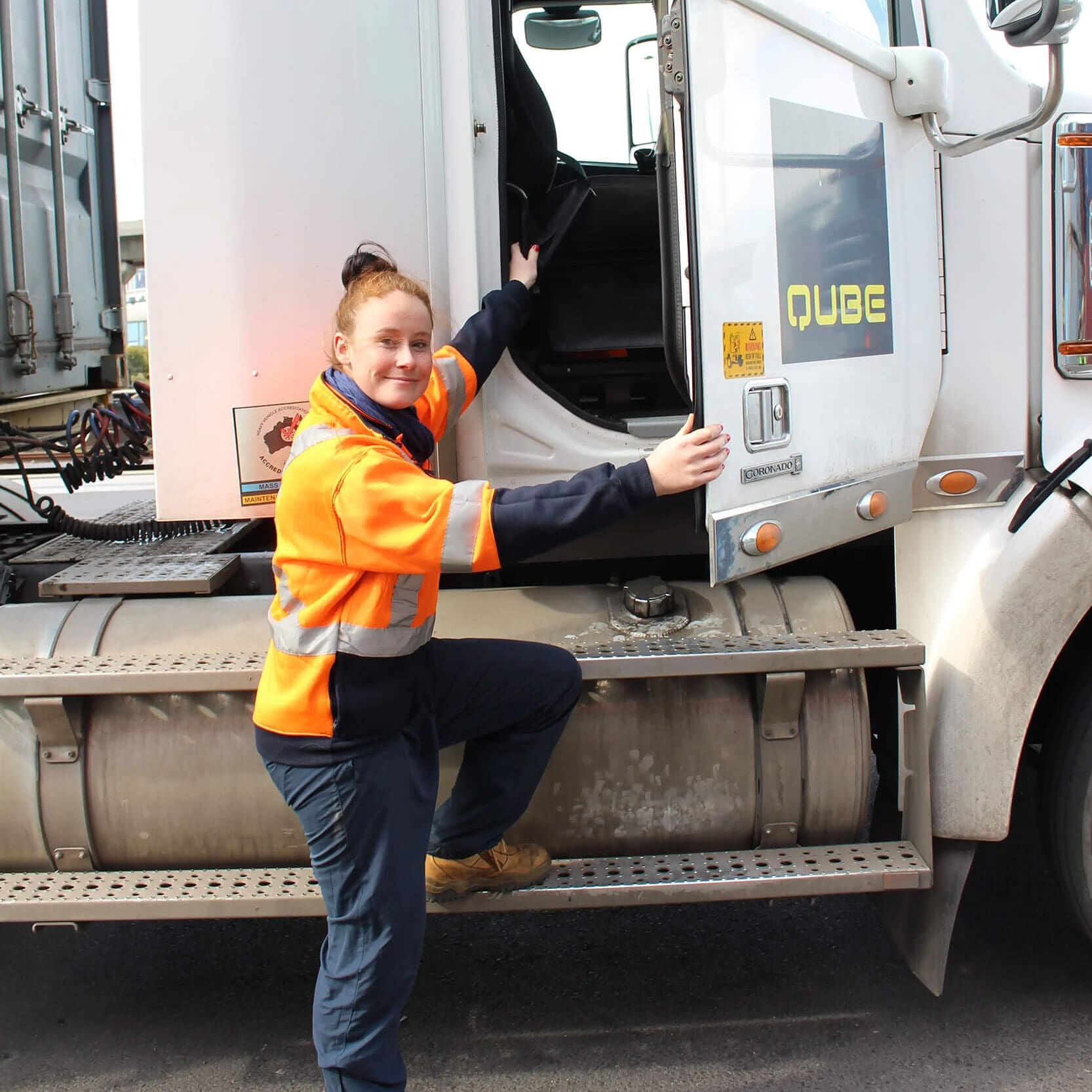
Planet.
At Qube, we believe we all have a responsibility to take care of the planet that sustains us all.
Our industry is facing big challenges, from how we power ourselves, to the footprint we leave.
We have already set ourselves an ambitious decarbonisation plan, with an aspirational goal to reduce our Scope 1 Emissions intensity to zero by 2050. We’re in it for the long haul.
It’s something we need to achieve – for us, and those who come after us.
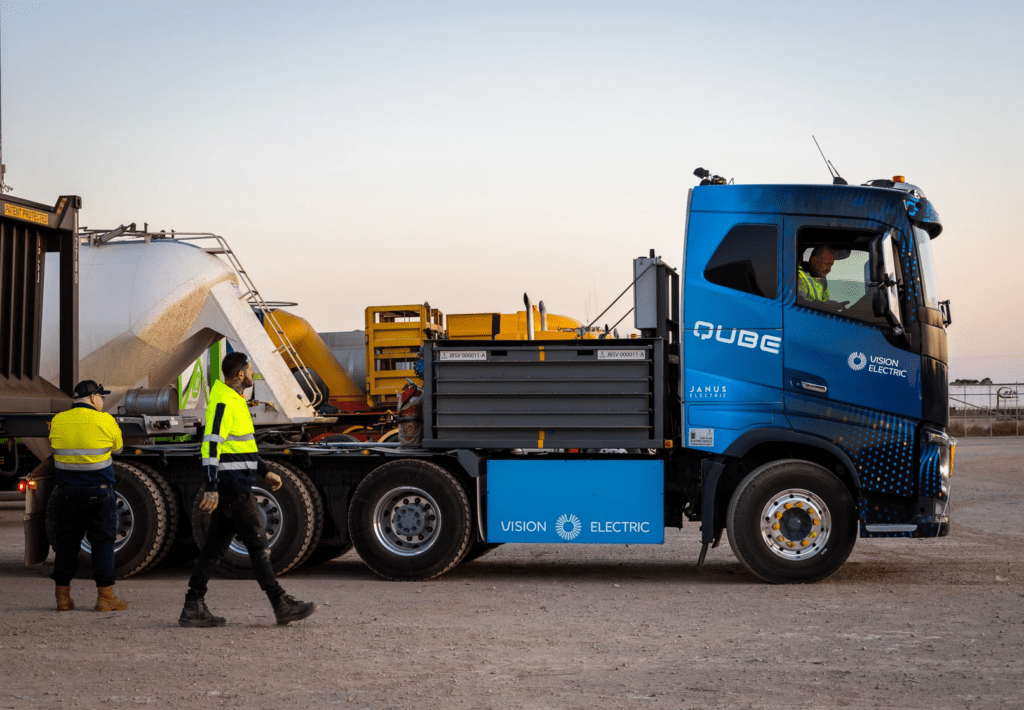
Our environment.
Consistent with our commitment to taking care of the planet that sustains us all, we aim to protect the environment in which we work and to minimise our operational impacts
As part of our Health, Safety, and Sustainability management system, we have implemented environmental standards, practices and procedures to identify and manage our material environmental risks.
We conduct regular audits to review our environmental compliance with applicable legislation and standards.
All of our major Qube Ports and Bulk facilities are now compliant with ISO14001 environmental standards and work is underway to achieve certifications for the remainder of our Ports, Bulk and Logistics sites.
Waste.
We recognise the importance of responsible waste management in minimising our environmental impact.
We are committed to implementing effective waste management practices throughout our operations and in our supply chain.
We currently have a range of initiatives in place to improve data collection as to the quantity and type of waste generated across our operations and to implement effective strategies for waste reduction, recycling, education and awareness.
We expect that improved data collection will also enable some consolidation of waste management services and allow for more meaningful engagement with our suppliers to promote sustainable waste management practices throughout the supply chain.
We currently collect operational waste data for four different waste streams to measure the effectiveness of waste minimisation initiatives, monitor trends, provide visibility and identify further improvement opportunities.
Building resilience in a changing global environment.
Extreme weather and unpredictable economic and geopolitical shocks may significantly challenge Qube’s future prosperity. Managing these risks involves costs; but they also unlock opportunities to adapt and create value for our customers.
We understand the critical role that climate change plays in shaping the future of our industry.
As an organisation committed to strengthening our sustainability, we recognise the importance of disclosing climate-related risks and opportunities to our stakeholders.
We embrace the recommendation of the Taskforce on Climate-related Financial Disclosures (TCFD) and we are taking steps to manage our climate-related risks across the governance, risk management and strategy and create value and build resilience of our supply chain.
Metrics and targets.
We have set a target to reduce our Scope 1 emissions intensity by 50 per cent by 2030 (compared to FY18 baseline) and have an aspirational goal to reduce our Scope 1 Emissions intensity to zero by 2050.
For our Scope 2 we have a goal to power our facilities by 100 per cent renewable electricity by 2030.
We are committed to reducing our emissions for our Scope 1 and 2, however our progress will be dependent on the emergence of technologies and availability of alternative energy supplies and at commercial pricing.
Read more
We address our Scope 1 direct emissions from owned or controlled assets, primarily from fuel in our vehicles (trucks and locomotives) by:
- Transitioning 95 per cent of our fleet to Euro 5,6 standards by 2027.
- Converting 50 per cent of our Light vehicle fleet to hybrid or electric by 2027 and 70 per cent by 2030.
- Continuing to electrify our small mobile assets (cranes, forklifts, container handlers etc). We have currently transitioned 61 of our small yellow assets to battery operated.
- Identifying opportunities to trial alternative fuels such as bio-fuel, hydrogen and electrification of fleet where it’s commercially viable.
- Improve productivity and efficiency by encouraging modal shift and through innovations to carry more load such as container double stacking, trailer combinations and route optimisation.
We address our Scope 2 indirect emissions from purchased electricity across our premises by:
- Continuing to rollout rooftop solar on our facilities. Currently 15 sites are being evaluated.
- Continuing to rollout LED upgrade initiatives. A majority of Qube owned sites now have LEDs.
- Evaluating renewable Power Purchasing Agreement (PPA) opportunities on both east and west coasts.